
Longer by Nature
We swapped the agenda for the record. Here's what we did. One night on living well, one live talk, four screened, and our first room back together since COVID.
La Puma opened it live
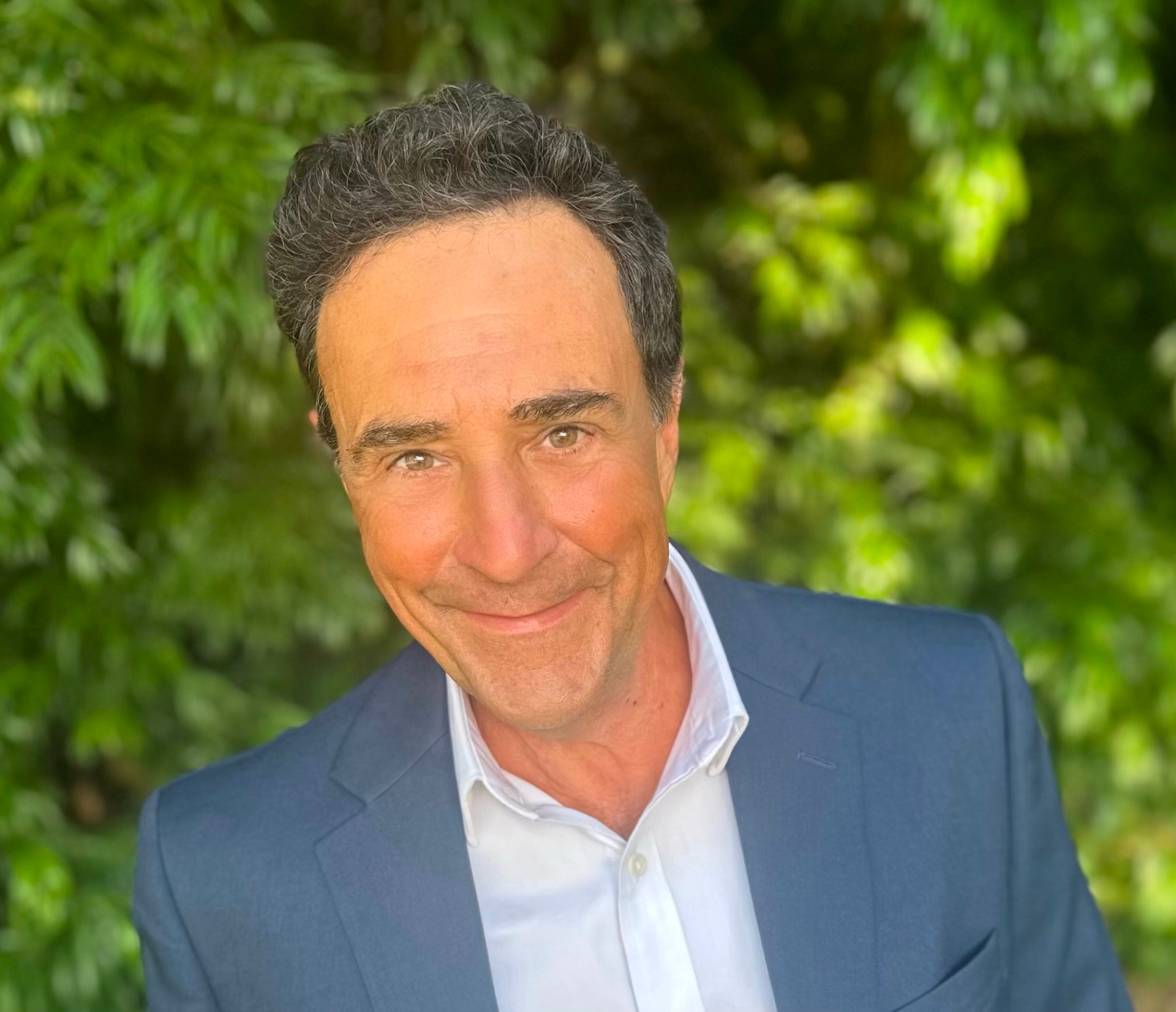
Dr. John La Puma
John made the provocation that framed the whole afternoon. We are the first species in history that chose to move indoors, and we're paying for it with our health. Nature isn't a luxury. It's a biological requirement, and the research on green prescriptions is moving from the fringe to the clinic.
He planted one question and told us not to answer it yet. What will you take outside tomorrow. That question carried the room all the way to the close.
 Watch the live talk
Four talks, one throughline
Dan Buettner
Only 10 percent of how long you live is genetic. The other 90 is how you live. He took us to five communities, Sardinia, Okinawa, Loma Linda, Nicoya, Ikaria, and found one pattern. Movement baked into the day, not bought at a gym. Purpose worth about seven extra years. And community as medicine, the Okinawan moai, a pod of people who hold each other. That's the premise everything else built on.
Watch the talk
Dr. Matt Walker
Sleep is not a luxury. It's the one resource that depletes without replacement. One week of six-hour nights leaves you as impaired as a full day with no sleep at all, and you won't feel it happening. That's the cruel part. Deep sleep is where memory, immunity, and repair all happen at once. His sharpest proof, lose one hour to daylight saving and heart attacks spike the next Monday. Gain it back and they drop. The system is that fragile.
Watch the talk
Dr. Elizabeth Blackburn
She took us to the chromosome. Telomeres are the caps on the ends, like the plastic tips on a shoelace. When they fray, the cell stops replicating. That's aging at the molecular level. Telomerase is the enzyme that rebuilds them, and it's what she won the Nobel for. Then the part that ties the night together. Chronic stress, poor sleep, and isolation measurably shorten them. Meditation, exercise, and strong ties measurably lengthen them. The biology tracks the behavior.
Watch the talk
Dr. Wendy Suzuki
Exercise is the single most transformative thing you can do for your brain, and the effect starts now. A single workout lifts dopamine, serotonin, and noradrenaline on the spot. Keep it up and you grow new cells in the hippocampus, the seat of memory, and you thicken the prefrontal cortex that runs attention and focus. She calls it a 401K for your brain. Free, compounding, and protective against Alzheimer's. Her own story made it real, she started moving to cope and ended up discovering the science.
Watch the talkThen we talked
This is the part you don't get at a big TED event. The screens went dark, the room opened up, and we worked it out together. A few threads:
We didn't just release the room into the break. The question first. In those talks, what was the one thing that landed hardest for you. Thirty seconds to think, then say it to one person nearby. The room got loud fast.
Four talks, one idea. Your body and your brain are not fixed. They respond to what you do. Buettner showed it in whole communities, Walker in a week of short nights, Blackburn at the chromosome, Suzuki in the brain itself. Same story, four altitudes.
For the close we went back to La Puma's question and made everyone answer it. One concrete thing each, ten seconds, out loud. Not "I'll sleep more." Something you could picture. "I'm eating breakfast outside tomorrow." That was the community moment.
The thing under all of it. This was our first live Salon since COVID. We'd spent years watching talks alone on screens. This night we watched together and talked to each other, and you could feel how much that mattered.
Living well is a practice
Longevity isn't a distant scientific goal. It's a daily practice, built from sleep, movement, connection, and time outside. The science is settled enough to act on. The only open question is what you do with it.
That's the whole point of this series. We don't just watch the talks. We do something with them.